TAMInnov8 / The Innovation Reactor
Lubricant R&D & Additive Innovation Centre — UAE
08 pillars. One connected approach to innovation.
-
01 / 08Product Innovation
-
02 / 08Technical Support
-
03 / 08Lubrication Solutions
-
04 / 08Training
-
05 / 08Regulatory Compliance
-
06 / 08Audit and Certification
-
07 / 08Brand Management
-
08 / 08Market Research
For lubricant R&D UAE projects, TAMInnov8 connects research, formulation, testing, and technical innovation. Part of Oryx Industries, we turn application questions into a clearer direction for development.
Interactive conceptual illustration. No live laboratory data.An innovation centre. A different way of thinking.
Question the familiar. Explore the chemistry. Develop what comes next.
Oryx Industries.
Every lubricant begins with an operating challenge. Temperature, load, movement, compatibility, and service conditions all influence what a formulation needs to do. Understanding those relationships is the starting point for useful innovation.
TAMInnov8 brings research, formulation, and evaluation into the same conversation. Whether you are exploring a new product or reviewing an existing blend, we help frame the questions, define the technical priorities, and identify the next development step.
Inside TAMInnov8
Where ideas
meet the laboratory.
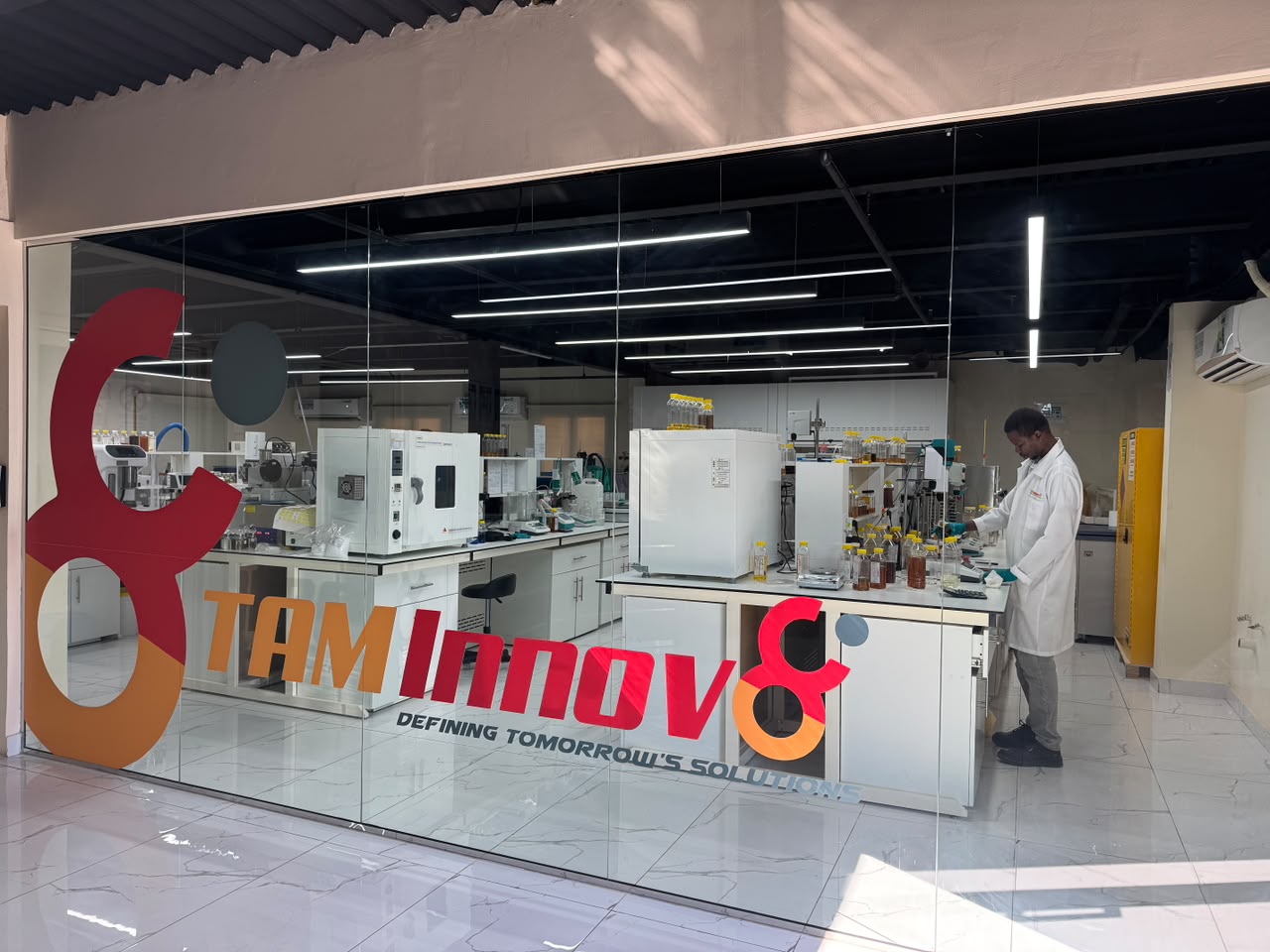
Step inside our laboratory and explore the environment behind the work.
Inside the lab.
Film / 30 secExplore the space.
Laboratory / Photo 01 of 11
View full photoSelect an image, use the arrows, or swipe to explore.
Open a research dossier
Explore the
possibilities.
Two connected areas of expertise. Flip a visual to explore the thinking behind it, or go directly to the service.
Custom Lubricant
Formulation
Begin with the intended application and the conditions the lubricant will encounter. Consider base-fluid choices, additive functions, compatibility, and the performance priorities that matter to your product.
A clear brief helps separate essential requirements from assumptions before development begins.
Connect application needs with ingredient choices and a defined formulation direction.
Compliance &
Certification Support
Identify the specifications, documentation, and supporting evidence relevant to the intended application and market. Review proposed product claims against the information needed to support them.
Support is scoped to the project; certification or approval is not implied by the illustration.
Bring technical requirements and supporting documentation into a clear project discussion.
The observation table
Look closer.
Learn more.
A useful result begins with a well-defined question. Explore the considerations behind a laboratory brief.
Expand a topic. Specific methods, instruments, and available capabilities are confirmed during consultation.
Flow & viscosity
How a lubricant flows influences its behaviour in an application. Operating temperature, intended viscosity range, and equipment needs help define meaningful evaluation questions.
Contact & wear
Load, surface interaction, and movement all shape the protection question. Establish the operating context before selecting an approach or comparing formulation options.
Stability over time
Heat and exposure to oxygen can change a lubricant’s behaviour. Consider the intended service environment when discussing stability and the observations relevant to your formulation.
Interpretation & next steps
Connect findings to the original brief. Review sample differences, unresolved questions, and practical constraints together before deciding what to refine or investigate next.
From a question to a direction
Build the
next answer.
A conceptual development pathway. The exact stages and deliverables are agreed around your project.
Understand the brief.
Define the application, operating conditions, product priorities, and constraints. A shared understanding creates a useful reference point for every decision that follows.
Explore the formulation.
Consider ingredient choices and possible formulation directions. Identify the properties that matter most and the questions that require further investigation.
Evaluate the response.
Assess samples against the agreed scope. Keep sample information, conditions, and observations connected so comparisons remain meaningful and limitations remain visible.
Refine the thinking.
Use findings to revisit assumptions and formulation choices. Discuss which changes are useful and which additional checks would help answer the remaining questions.
Connect the next steps.
Bring the agreed technical information and evaluation findings together. Establish what is ready to progress and what further work is needed for the intended application.
Discuss your development briefChemistry meets operating reality
Different conditions.
Better questions.
Select an application to explore the considerations behind a useful formulation brief.
01 Automotive
Temperature variation, friction, cleanliness, and compatibility influence automotive lubricant requirements. Begin with the intended equipment and specification context, then discuss formulation priorities and an appropriate evaluation scope.
Explore formulation02 Industrial
Duty cycles, loads, operating environments, and maintenance priorities shape industrial lubrication needs. Connect the realities of the equipment to a clear development brief rather than considering ingredients in isolation.
Discuss industrial requirements03 Marine
Marine applications introduce specific service conditions and equipment requirements. Discuss the operating profile, lubricant function, and relevant specifications before selecting a formulation or documentation pathway.
Explore specification support04 Hydraulic
Flow behaviour, protection, and system compatibility all influence hydraulic fluid choices. Start with operating temperatures and equipment needs, then identify the formulation questions worth evaluating.
Discuss evaluation needsWhat will
you ask next?
Bring your formulation challenges, testing requirements, and ideas. Let’s explore what science can make possible.
Request a Formulation Consultation